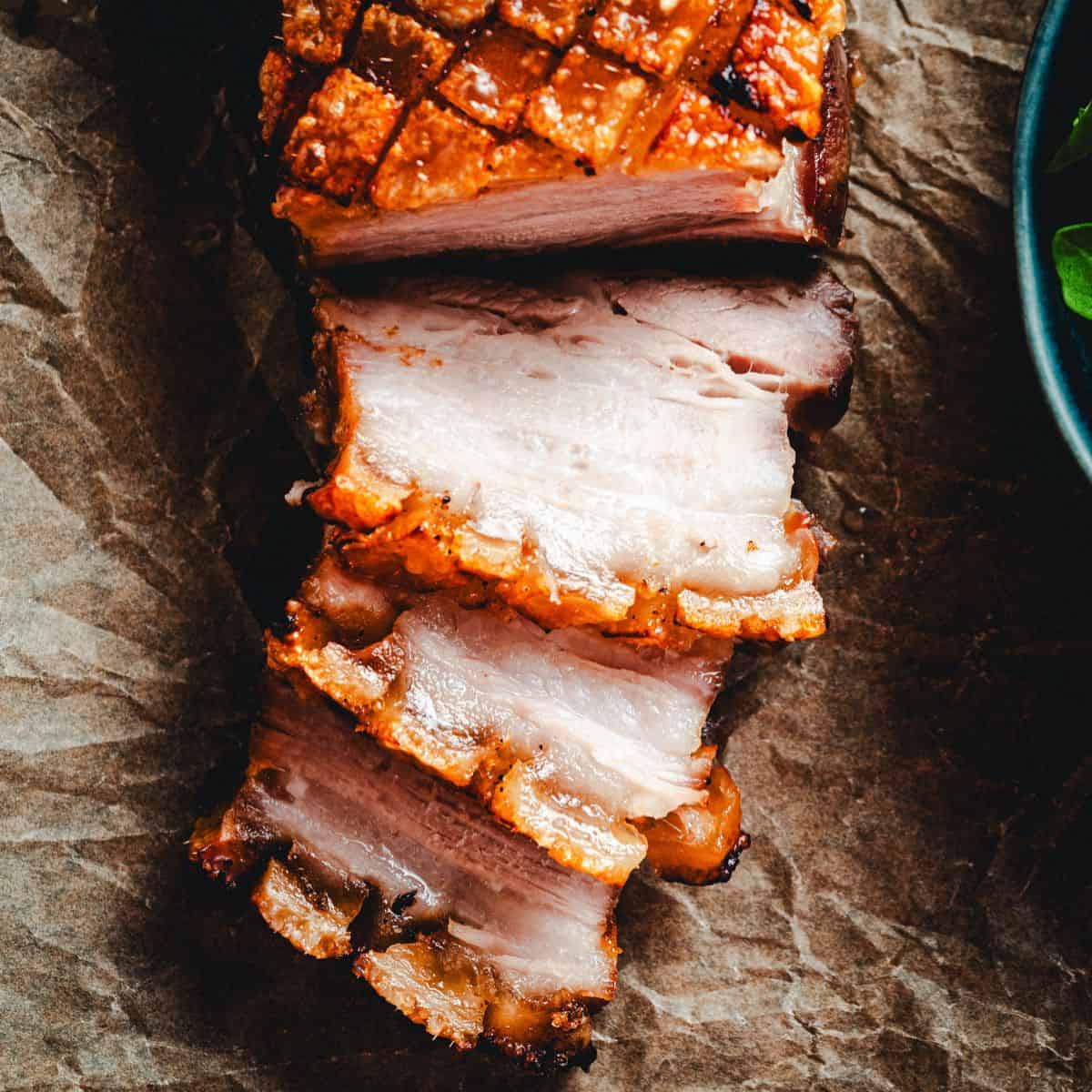
Unlocking the Magic of Pork Belly: More Than Just a Cut
Once a hidden gem primarily cherished in Asian cuisines, pork belly has dramatically risen to culinary stardom across the globe. This decadent cut, synonymous with luxury and flavor, has become a mainstay on upscale restaurant menus and a thrilling challenge for adventurous home cooks. If you've ever wondered how to cook pork belly to achieve that elusive combination of shatteringly crispy skin and succulent, melt-in-your-mouth meat, you've come to the right place. We're about to demystify the process, armed with chef secrets that promise to transform your kitchen into a temple of pork belly perfection.
But what exactly is pork belly? It's a rich, boneless section of meat from the underside of a pig, one of the four primal cuts along with the shoulder, loin, and leg. It's the very cut that, when cured, smoked, and sliced, becomes bacon – a testament to its inherent deliciousness. What sets pork belly apart is its exceptional fat-to-meat ratio. This isn't just about indulgence; it's about flavor and texture. "Pork belly is an awesome cut of meat and is incredibly versatile," notes many culinary experts. Its unique umami element, combined with the way the fat renders and bastes the meat during cooking, creates a luxurious experience unlike any other. While it might seem intimidating at first, mastering this cut is incredibly rewarding, yielding a dish that's both comforting and gourmet.
The Science Behind Perfectly Crispy Skin and Melt-in-Your-Mouth Tenderness
The quest for perfect pork belly often revolves around two distinct textures: the ethereal crunch of the skin and the tender, juicy meat beneath. Achieving both simultaneously isn't magic; it's a careful understanding of heat, moisture, and time.
Achieving that Craveable Crisp
The skin of pork belly holds the key to its most coveted texture. For truly crispy pork belly, the secret lies in moisture removal and controlled high heat. Before cooking, the skin must be as dry as possible. This can be achieved by patting it thoroughly with paper towels, air-drying it in the refrigerator overnight, or even using a hairdryer. Scoring the skin – cutting shallow lines through the skin and fat, but not into the meat – increases the surface area, allowing more moisture to escape and promoting even crisping. A generous application of coarse salt also helps draw out moisture. Once in the oven, an initial blast of high heat shocks the skin, causing it to puff up and crisp rapidly. Without this crucial step, you risk a chewy, rubbery rind. For an even deeper dive into this technique, check out our guide: Pork Belly Unlocked: Achieve Crispy Skin & Melt-in-Your-Mouth Flavor.
Rendering Fat for Ultimate Juiciness
While the skin crisps, the underlying fat needs to render slowly. This process is vital for two reasons: it reduces the greasy texture of the fat itself and, more importantly, the melting fat bastes the lean meat, keeping it incredibly moist and tender. "You want to slowly cook the pork belly so it gets very tender and the fat has time to render to baste the meat as it cooks," explains chefs. This "low and slow" approach breaks down tough connective tissues in the muscle, transforming it into that signature "melts in your mouth" texture. This dual-temperature method—starting high, then dropping to a lower, sustained heat—is a cornerstone of perfectly cooked pork belly, ensuring both crunch and succulence.
Mastering the Methods: Chef-Approved Techniques for How to Cook Pork Belly
There are several tried-and-true methods to cook pork belly, each offering a slightly different profile but all aiming for that exquisite tender and juicy result. Professional chefs often employ a combination of techniques, but these three foundational strategies are excellent starting points for home cooks. For a comprehensive look at these methods, explore: How to Cook Pork Belly: 3 Chef-Approved Methods for Perfect Results.
Slow Roasting for a Classic Finish
Slow roasting is arguably the most popular and straightforward method for achieving the iconic crispy skin and tender meat. It leverages the two-stage temperature approach discussed above.
- Preparation: Score the skin deeply, but not into the meat. Pat dry thoroughly. Rub generously with coarse salt (kosher salt is ideal) and any desired seasonings like black pepper, coriander, or fennel seeds. Let it air dry in the fridge for several hours or overnight.
- High Heat Start: Preheat your oven to a high temperature (e.g., 400-450°F or 200-230°C). Roast the pork belly skin-side up for 20-30 minutes, or until the skin begins to puff and crisp.
- Low Heat Finish: Reduce the oven temperature to a low setting (e.g., 275-300°F or 135-150°C). Continue roasting for 1.5 to 3 hours, depending on the thickness of your pork belly, until the meat is fork-tender. The rendered fat will collect, continuously basting the meat.
- Resting: Crucially, let the pork belly rest for at least 15-20 minutes after removing it from the oven. This allows the juices to redistribute, ensuring maximum tenderness.
The result is a show-stopping slab of pork belly with incredible texture and flavor, perfect for slicing and serving as a main course or in sandwiches.
Braising for Deep Flavor Infusion
Braising is a fantastic method for infusing pork belly with rich, complex flavors, often resulting in an incredibly tender, almost stew-like consistency. While it typically doesn't yield crispy skin directly, the braised belly can be finished to achieve crispness.
- Sear: Brown the pork belly on all sides in a hot pan (skin-side down first if you want to start rendering some fat for later crisping, or just meat-side down).
- Deglaze & Simmer: Remove the belly, then add aromatics like ginger, garlic, star anise, and scallions to the pan. Deglaze with a flavorful liquid such as soy sauce, mirin, sake, chicken or pork stock, and water.
- Braise: Return the pork belly to the pot, ensuring it's mostly submerged in the liquid. Bring to a simmer, then cover and transfer to a low oven (around 300°F or 150°C) or cook on the stovetop over very low heat for 2-3 hours, or until fork-tender.
- Finish: Once tender, you can cool and slice the belly, then pan-fry or broil the pieces skin-side up to achieve a crispy texture before serving. The braising liquid can be reduced to make a beautiful sauce. Braised pork belly is fantastic over rice, in ramen, or in tacos.
Confit: The Secret to Unrivaled Succulence
Confit is a traditional French preservation method that involves slow-cooking meat submerged in its own fat. While time-consuming, the results are extraordinarily succulent and flavorful.
- Cure: Rub the pork belly with salt, pepper, and herbs (like thyme, bay leaves). Let it cure in the refrigerator for 12-24 hours. Rinse and pat dry.
- Submerge: Place the pork belly in an oven-safe dish just large enough to hold it. Cover completely with rendered pork fat (lard or duck fat).
- Slow Cook: Cook in a very low oven (around 225-275°F or 100-135°C) for 3-4 hours, or until incredibly tender. The fat should gently simmer, not boil.
- Cool & Store: Once cooked, allow the pork belly to cool completely in the fat. It can then be stored submerged in the fat in the refrigerator for weeks.
- Finish: To serve, remove a portion of confit pork belly, gently scrape off excess fat, and sear it in a hot pan (skin-side down first) until crispy. It's incredibly versatile for dicing into salads, grilling strips, or adding to stews.
Essential Chef Tips for Pork Belly Perfection
- Always Score the Skin: This is non-negotiable for superior crisping and allows fat to render evenly.
- Dry, Dry, Dry: Moisture is the enemy of crispy skin. Patting dry, air-drying, or even a quick blast with a hairdryer makes a huge difference.
- Don't Skimp on Salt: Coarse salt not only seasons but also helps draw out moisture from the skin, aiding crispness.
- The Resting Period is Golden: Like any good cut of meat, pork belly benefits immensely from resting after cooking. This allows the internal juices to redistribute, resulting in a more tender and moist final product.
- Experiment with Seasonings: While salt and pepper are fundamental, don't shy away from adding a rub of five-spice powder, garlic powder, onion powder, paprika, or even a sugar component for a caramelized crust.
- Monitor Temperature: An oven thermometer can be your best friend to ensure your oven is truly at the desired temperature for that crucial low and slow cook.
- Troubleshooting Rubbery Skin: If your skin isn't crisping, crank up the heat to high (450-500°F or 230-260°C) for 10-15 minutes, watching it very carefully to prevent burning. A broiler can also work, but be extremely vigilant.
Mastering how to cook pork belly is a culinary journey that rewards patience and attention to detail. Whether you opt for the classic slow roast, the flavorful braise, or the luxurious confit, understanding the principles of rendering fat and crisping skin will elevate your dish from good to unforgettable. So go ahead, embrace the decadence, and impress yourself and your guests with pork belly that's truly the stuff of dreams.
