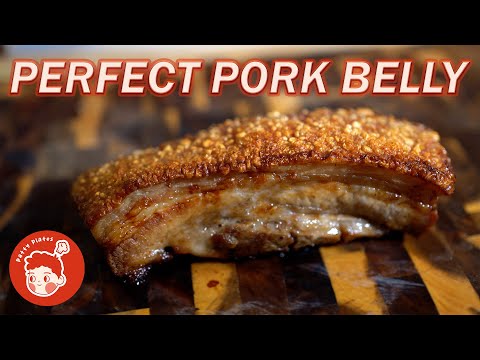
Pork Belly Unlocked: Achieve Crispy Skin & Melt-in-Your-Mouth Flavor
Once considered an exotic delicacy confined to Asian cuisines, pork belly has gloriously taken the culinary world by storm. From upscale restaurant menus to casual weeknight dinners in home kitchens, this rich, boneless cut of meat from the midsection of a pig is celebrated for its unparalleled flavor and texture. If you've ever dreamt of serving up perfectly rendered, melt-in-your-mouth pork belly crowned with irresistibly crispy skin, you've come to the right place. Learning
how to cook pork belly might seem intimidating at first, given its unique fat-to-meat ratio, but with the right techniques, you can achieve professional-level results that will impress even the most discerning palates.
What Makes Pork Belly So Irresistible?
Pork belly is one of the four primal cuts of pork, alongside the shoulder, loin, and leg. It's famously the cut from which bacon is made, once cured, smoked, and sliced. But in its uncured slab form, pork belly offers a culinary canvas far beyond breakfast strips.
What truly sets pork belly apart is its decadent fat-to-meat ratio. This isn't just about indulgence; it's about flavor and texture. As the fat slowly renders during cooking, it bastes the lean meat, infusing it with incredible moisture and a luxurious, succulent tenderness that practically melts in your mouth. This slow rendering process also develops a unique umami element, a savory depth that pairs beautifully with an array of flavors, or shines brilliantly as the star of the dish. The contrast between this rich, tender interior and a shatteringly crisp skin is the holy grail for any aspiring pork belly chef. It's a symphony of textures and tastes that explains its meteoric rise in popularity.
Preparing Your Pork Belly for Perfection
Before you even think about heat, proper preparation is paramount to unlocking pork belly's full potential. A little effort here will pay massive dividends in the final product.
*
Choosing Your Cut: Look for a slab with a good balance of meat and fat – not too fatty, but certainly not too lean. The skin should be intact and ideally, without too many blemishes.
*
Scoring the Skin: This is a critical step for achieving that signature crispy skin. Using a very sharp knife or a clean utility blade, carefully score the skin in a crosshatch pattern, about 1/4 to 1/2 inch deep. Be careful not to cut into the meat layer below. Scoring allows the fat to render more efficiently, helps create more crispy surface area, and prevents the skin from curling.
*
Seasoning: While simple kosher salt and freshly ground black pepper are always excellent choices, pork belly is incredibly versatile. Consider rubbing it with garlic powder, paprika, Chinese five-spice powder, or even a blend of coriander and fennel seeds for an aromatic twist. Ensure you season generously, especially on the skin, as salt aids in drawing out moisture, which is key for crisping.
*
Drying the Skin: This might be the single most important step for crispy skin. Moisture is the enemy of crispiness. Pat the skin incredibly dry with paper towels. For best results, after seasoning, place the pork belly, uncovered, in the refrigerator overnight (8-24 hours). This allows the skin to thoroughly air-dry, setting the stage for an epic crackle.
Mastering the Cooking Methods: Beyond the Basics
There are several chef-approved strategies to achieve perfectly cooked pork belly, each yielding slightly different nuances in texture and flavor. The key across most methods is a combination of low, slow cooking to tenderize the meat and render the fat, often followed by a high-heat blast to crisp the skin.
The Oven Roasting Method: Crispy & Juicy Every Time
This is arguably the most popular and approachable method for home cooks, offering a fantastic balance of crispy skin and tender meat.
1.
Preheat & Initial Blast: Preheat your oven to a high temperature, typically around 400-425°F (200-220°C). Place the prepared, dried, and seasoned pork belly, skin-side up, on a wire rack set over a baking sheet (this allows air circulation around the skin and collects rendered fat). Cook at this high temperature for 20-30 minutes. This initial blast helps kickstart the crackling process.
2.
Low & Slow: Reduce the oven temperature significantly, usually to 275-300°F (135-150°C). Continue to cook for another 2-3 hours, or until the meat is fork-tender. During this phase, the fat slowly renders, basting the meat and making it incredibly succulent. You'll notice the skin starting to puff up and crisp.
3.
Final Crisp (if needed): If your skin isn't as crisp as you'd like after the slow roast, you can finish it under the broiler for a few minutes. Watch it *very* closely, as it can burn quickly. Alternatively, increase the oven temperature back to 400-425°F (200-220°C) for another 15-20 minutes, or until desired crispness is achieved.
4.
Rest: Always allow the pork belly to rest for at least 15-20 minutes after cooking before slicing. This allows the juices to redistribute, ensuring a moist and tender result.
Serve oven-roasted pork belly with sushi rice, in tacos, atop ramen, or as a decadent centerpiece with roasted vegetables.
Braising for Unparalleled Tenderness
Braising involves slowly cooking the pork belly in a flavorful liquid, resulting in meat that is incredibly moist and infused with aromatics.
1.
Sear (Optional but Recommended): Sear the pork belly on all sides in a hot pan until golden brown. This develops deep flavor and color.
2.
Braise: Transfer the seared pork belly to an oven-safe pot or Dutch oven. Add your braising liquid – this could be chicken or beef broth, soy sauce, rice wine, aromatics like ginger, garlic, star anise, and even a touch of sugar or honey. The liquid should come about two-thirds up the sides of the belly.
3.
Low & Slow Again: Cover the pot tightly and braise in a preheated oven at 300-325°F (150-160°C) for 2.5-3.5 hours, or until the pork belly is meltingly tender.
4.
Finish: After braising, you can cool and press the belly for uniform slices, and then finish by pan-frying or roasting briefly to crisp up the skin, if desired. Braised pork belly is fantastic in
How to Cook Pork Belly: 3 Chef-Approved Methods for Perfect Results like ramen or over rice, absorbing all the delicious braising liquid.
Confit: The Chef's Secret for Succulent Results
Confit is a French cooking technique where meat is slowly cooked in its own fat (or other fat like duck fat) at a very low temperature. This method yields unbelievably succulent pork belly.
1.
Season & Cure: Season the pork belly generously with salt, pepper, and desired aromatics (thyme, bay leaves, garlic). For an even richer flavor, you can lightly cure it with salt and herbs for 12-24 hours in the refrigerator.
2.
Submerge & Cook: Gently rinse any excess salt from the pork belly (if cured) and pat dry. Place it in an oven-safe dish just large enough to hold it, then cover it completely with rendered pork fat or duck fat.
3.
Extremely Low & Slow: Cook in an oven preheated to a very low temperature, around 250-275°F (120-135°C), for 3-4 hours, or until the meat is incredibly tender.
4.
Cool & Store: Once cooked, allow the pork belly to cool in its fat. It can be stored submerged in the fat in the refrigerator for weeks.
5.
Finish: To serve, remove a portion of the confit pork belly, gently wipe off excess fat, and then crisp up the skin and warm the meat by searing, grilling, or roasting. The sky's the limit for how you can use this incredibly versatile and tender confit.
Chef's Pro Tips for Pork Belly Success
Beyond the specific methods, a few overarching principles will elevate your pork belly game:
*
Patience is Key: Don't rush the rendering process. Slow and low heat allows the fat to gradually melt away, tenderizing the meat and creating a beautiful texture.
*
Score Deep, But Not Through: As mentioned, scoring is vital. Ensure your scores are consistent and penetrate the skin and a little into the fat, but not into the muscle.
*
Dry, Dry, Dry: Seriously, ensure the skin is as dry as possible. A quick pat isn't enough; overnight refrigeration works wonders. You can even blast it with a hairdryer on a cool setting for a minute or two before cooking!
*
Salt Liberally: Salt not only seasons the meat but also helps draw out moisture from the skin, aiding in crisping.
*
Don't Be Afraid of Fat: It's pork belly! Embrace the fat. It's what makes this cut so unique and delicious. The rendered fat can be strained and saved for other cooking, like roasting potatoes.
*
Use a Meat Thermometer: While tenderness is often the best indicator for pork belly, a probe thermometer can ensure you're cooking it safely and accurately. The internal temperature for fully cooked pork is 145°F (63°C), but for fork-tender pork belly, you're usually aiming for temperatures closer to 185-200°F (85-93°C) to break down connective tissues.
*
Rest Your Meat: This applies to almost all roasted meats and is crucial for juicy results. Let the pork belly sit for 15-20 minutes, tented loosely with foil, after it comes out of the oven.
To dive deeper into the nuances of achieving that perfect crackling, explore our guide on
Master Crispy Pork Belly: Chef Secrets for Juicy, Tender Perfection.
Unlocking the secret to sensational pork belly is an incredibly rewarding culinary journey. By understanding the nature of this unique cut and applying these proven techniques, you can confidently achieve that coveted crispy skin and melt-in-your-mouth interior every single time. So go ahead, grab a slab of pork belly, and prepare to delight your senses with a dish that is truly a feast for kings!